

3D printing, also known as additive manufacturing (AM). Hailed as the latest technological revolution in manufacturing, additive manufacturing is capable of making everything from bicycle seats to rocket propulsion and promises to make all types of parts and products faster, cheaper, lighter and more sustainable. 3D printing allows for part shapes and designs that are unattainable with any other technology and uses materials ranging from everyday metals and plastics to unique polymer composites and even human tissue.
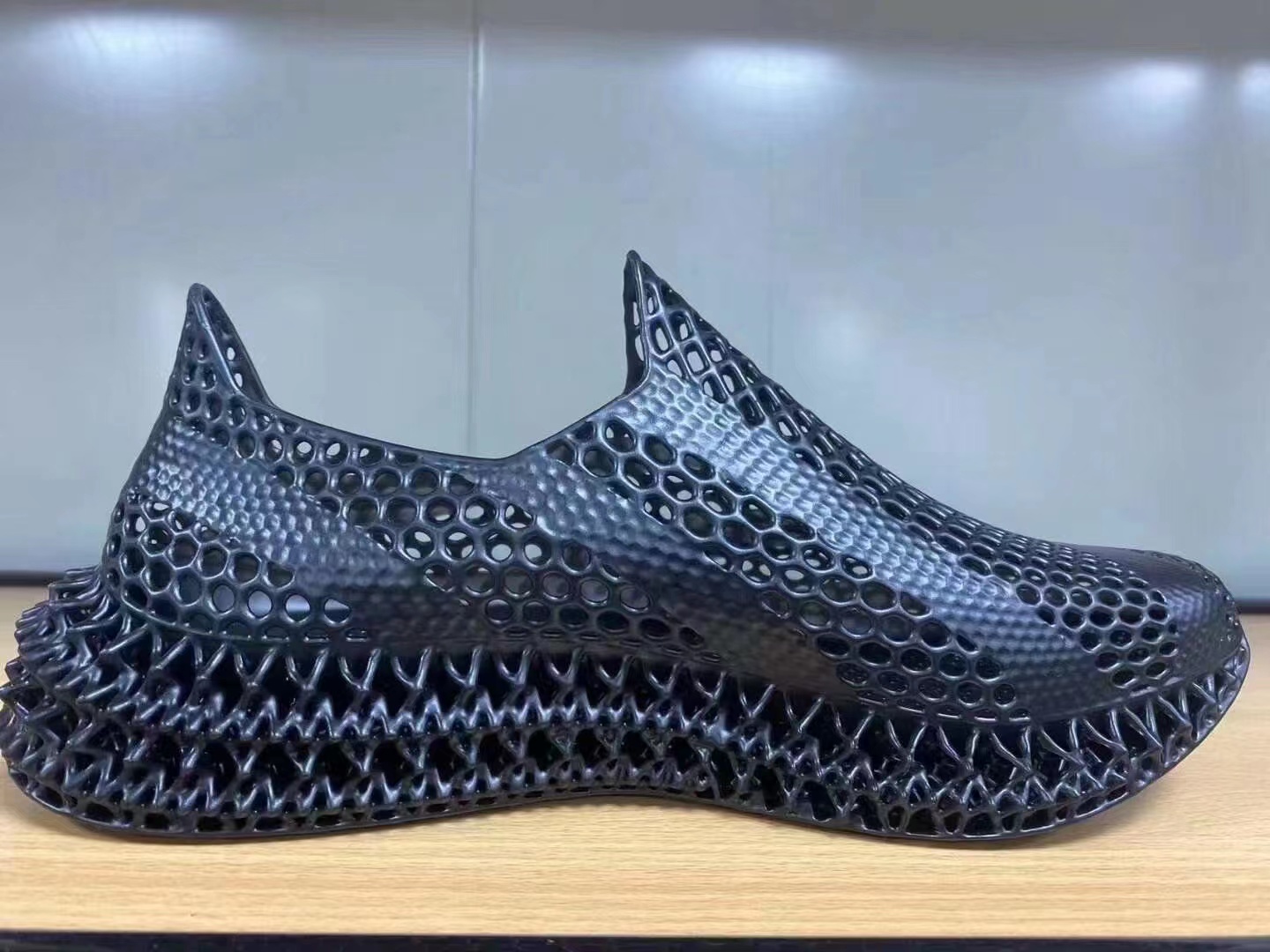
Perhaps you've learned about the wonders of additive manufacturing and want to try it out to bring new growth to your business, so now your question is: How do you get started with additive manufacturing?
Step 1: Find additive manufacturing "champions"
Hire new, young engineers or technicians who are not yet fully integrated into your company's daily business processes and are more open to new solutions. For companies that do not yet have someone interested in additive manufacturing who is willing to take the lead in developing additive manufacturing projects, you may want to hire engineers with additive manufacturing experience. When additive manufacturing champions bring what they have learned to others in the company to inspire everyone from machinists to senior management to join, it can lead to the elimination of bias about additive manufacturing. The fastest and most impactful way to adopt additive manufacturing is for a company or individual to fully grasp the potential of the technology and realize all the problems it can solve. "
Step 2: Align Additive Manufacturing Goals with Company Goals
Aligning additive manufacturing with the company's highest goals.
Other corporate goals achieved using 3D printing include.
● Bringing new products to market faster through rapid prototyping
● Reducing supply chain crises by producing parts locally
● Producing parts faster and cheaper than overseas
● Eliminating parts inventory through 3D on-demand printing capabilities
● Optimize product performance by integrating large components into fewer parts
Step 3: Identify the part you want to 3D print
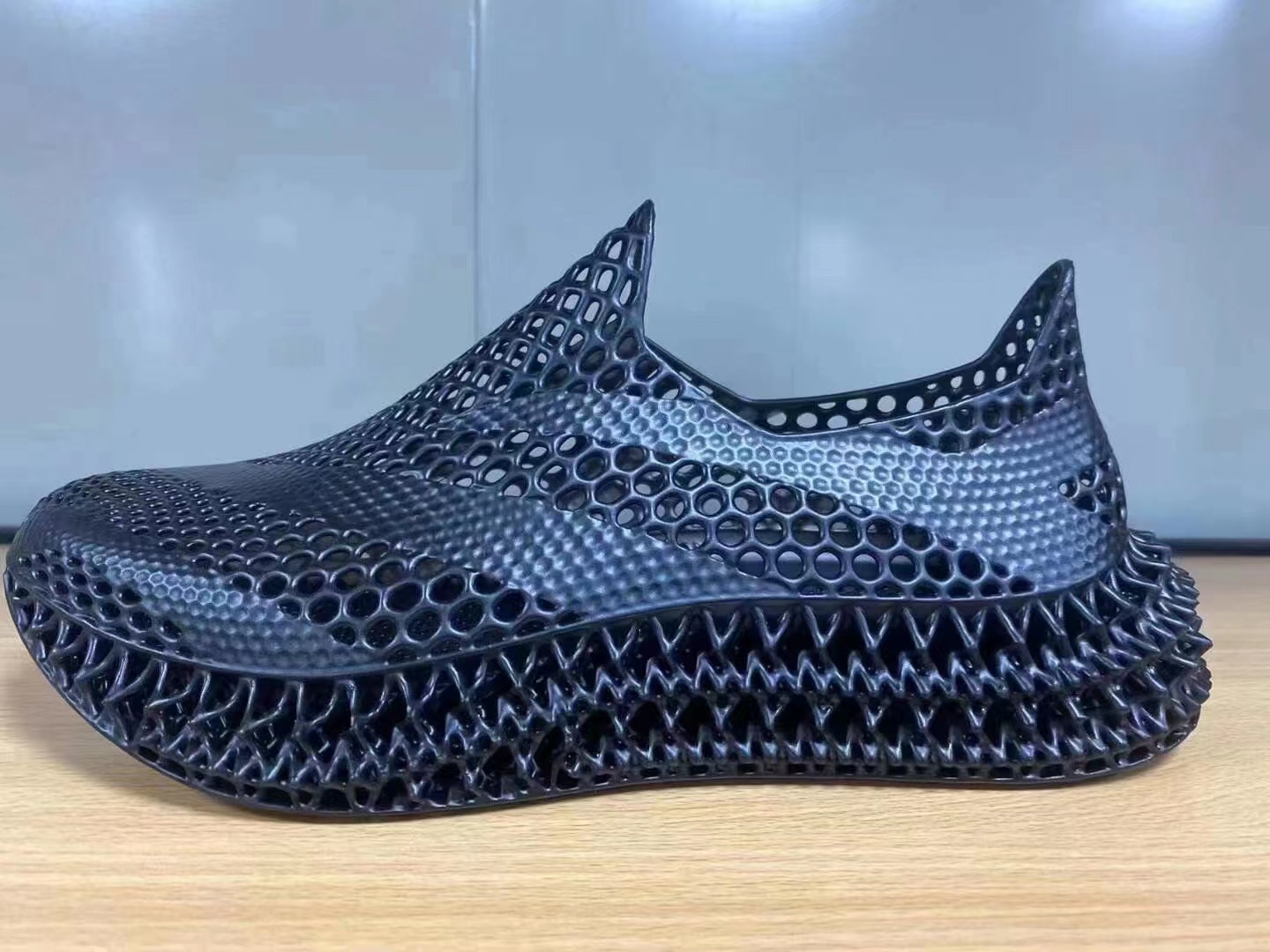
The worst mistake a manufacturer can make when adopting additive manufacturing is to use it to make the exact same product they are currently making. Additive manufacturing allows manufacturers to redesign parts and products that are lighter, stronger and better. Multiple parts can be combined into one 3D printed part, eliminating assembly labor and increasing efficiency.
Proven 3D printing products include.
● Unique parts, tools and products
● Parts that require specific customization to meet each customer's requirements
● Single or low-volume spare parts
Parts or product prototypes and functional prototypes for testing
Step 4: Outsourcing Additive Manufacturing
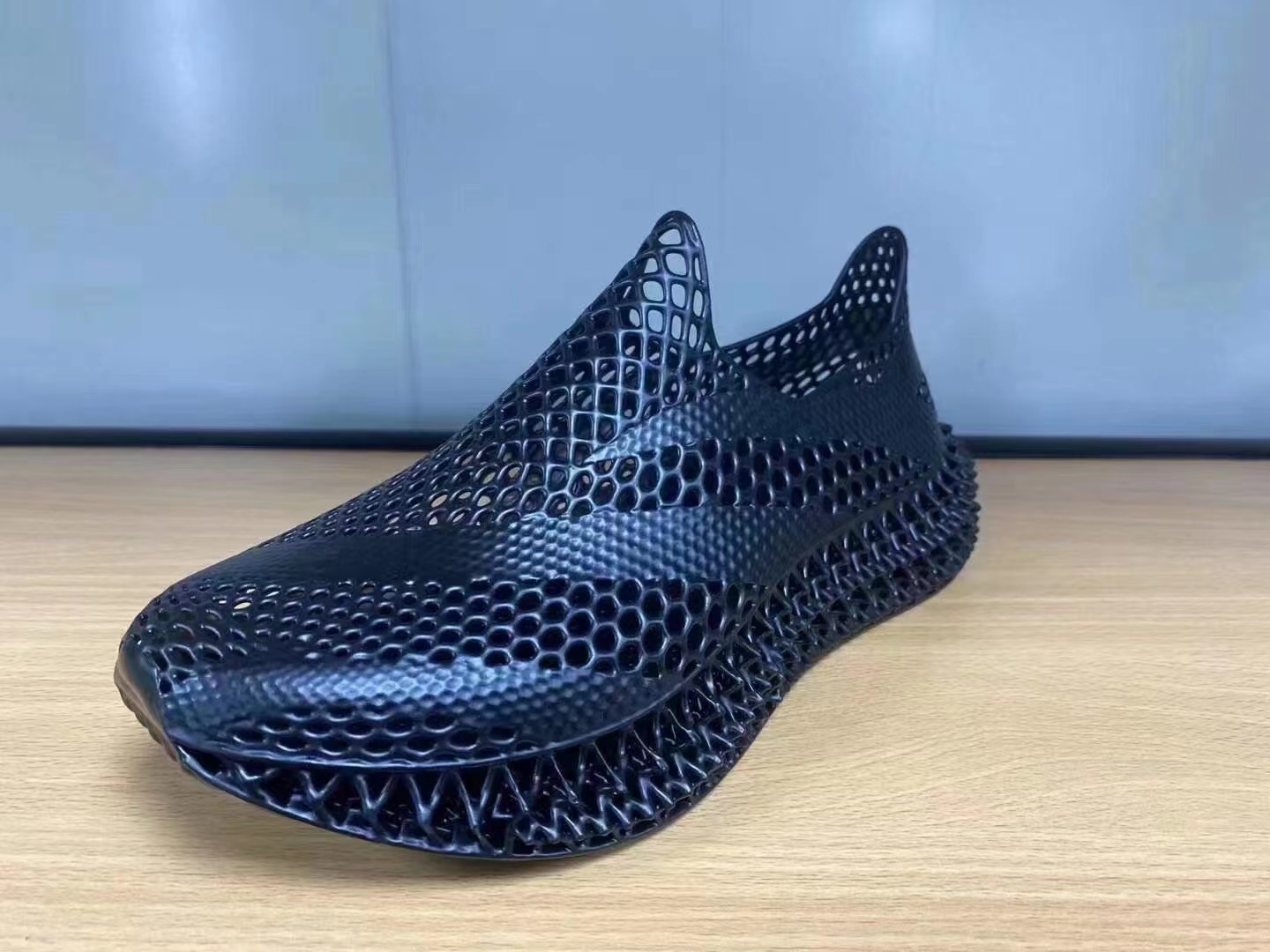
Outsourcing 3D printing may make the best business sense if your company's core business is not related to producing parts or products. A candy factory is a good example of a company with the engineering skills to design the custom tooling or fixtures needed on the factory floor, but the manufacturing of the parts themselves may be more applicable to the service, a situation that will change as the number of parts increases.
The best part designers are the ones who actually operate the 3D printers."
Step 5: Enhance your additive manufacturing skills
The manufacturing industry is convinced that 3D printing is a proven, viable solution and alleviates some of the stress associated with adopting new technologies and redesigning business plans.