Introduction: 3D printing has special advantages in making product prototypes and product development, by simplifying production in order to achieve new manufacturing efficiencies. 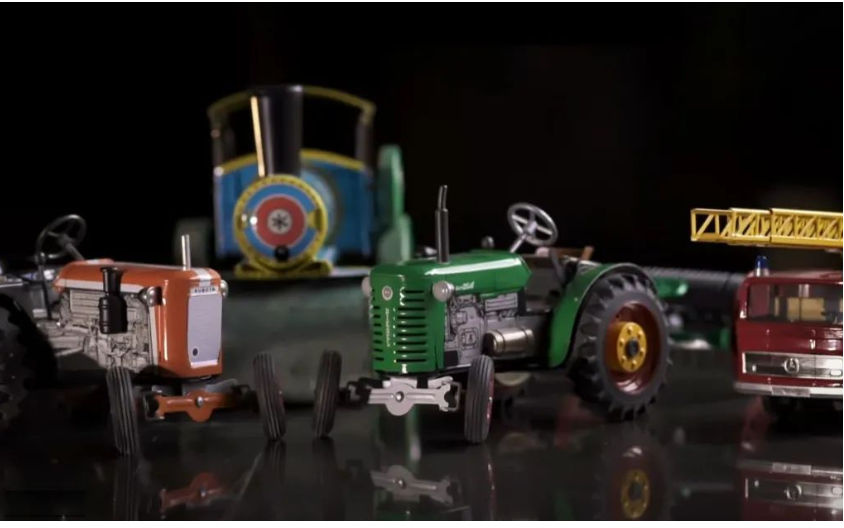
△KADEN is a 70-year old model car manufacturer
For example, the toy industry, lucrative, is a never-failing industry, but want to continue to develop in the market is indeed increasingly difficult to analyze the reasons, in addition to production costs and market demand, another reason is that new products in the development stage lack of creativity and efficiency. For the traditional process, whether from concept to design, and then to mass production and sales, it may take several months or even longer cycle. In contrast, with 3D printing technology, this process can potentially be reduced to weeks, or even days.
On June 6, 2022, it was announced that KADEN, a 70-year-old automotive model manufacturer, incorporated Nexa3D's NXE 400 3D printer into its production line. Gaining nirvana through 3D printing technology, it can substantially improve production efficiency while achieving more refined car models.
Founded in 1950, Czech mechanical model car manufacturer KADEN started as a state-owned unit dedicated to woodworking and tool store work. In response to the demand for new orders in the 1960s, the company turned to manufacturing metal toys, such as the Škoda 1203 model van, which was manufactured between 1968 and 1981, with over a million of these types of van toys produced.
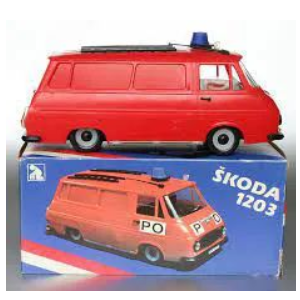
△KADEN's car models produced in earlier years
As times changed, the company, like many others in Europe, faced increasing foreign competition in the 1990s as a result of outsourcing labor and production to Asia to the point where costs were being squeezed. Survival in this very unfavorable policy and market environment was difficult, and in 2010, only two major die-cast toy manufacturers were still operating in Europe. By 2020, KADEN had shrunk to just 40 employees, and they were only able to survive by providing assembly services to other model manufacturers.
However, in 2020, Filip Klepek was appointed as the new chairman of KADEN, and he quickly saw the need to bring his business' products back to the European market and attempt to revive the industry.
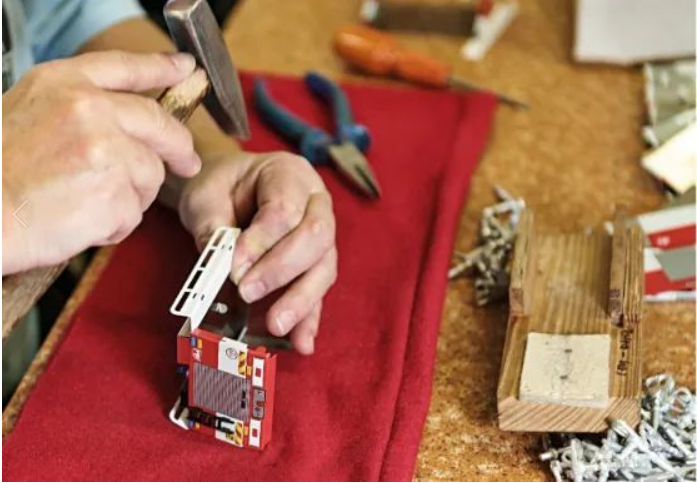
△Traditional process manufacturing mode, a component takes an average of 9 hours
"In the future, I want to offer better products without relying on outside suppliers," says Filip Klepek.
Klepek was introduced to Nexa3D when he received a visit from Industrial Technology Systems (ITS). The two companies then conducted a series of benchmark tests on CAD parts that KADEN had designed itself, and when they saw the technological changes that 3D printing technology could bring, they proposed changes to their own production model.
△ The company has partnered with Nexa3D to integrate 3D printing solutions into their workflow
By integrating Nexa3D's light-curing 3D printing solution into their workflow, KADEN was able to reduce production time to produce parts with the same structure as the traditional process (which took 9 hours). xPRO410 resin from Nexa3D enabled KADEN to produce highly collectible automotive models (with fine interior structure and functionalization).
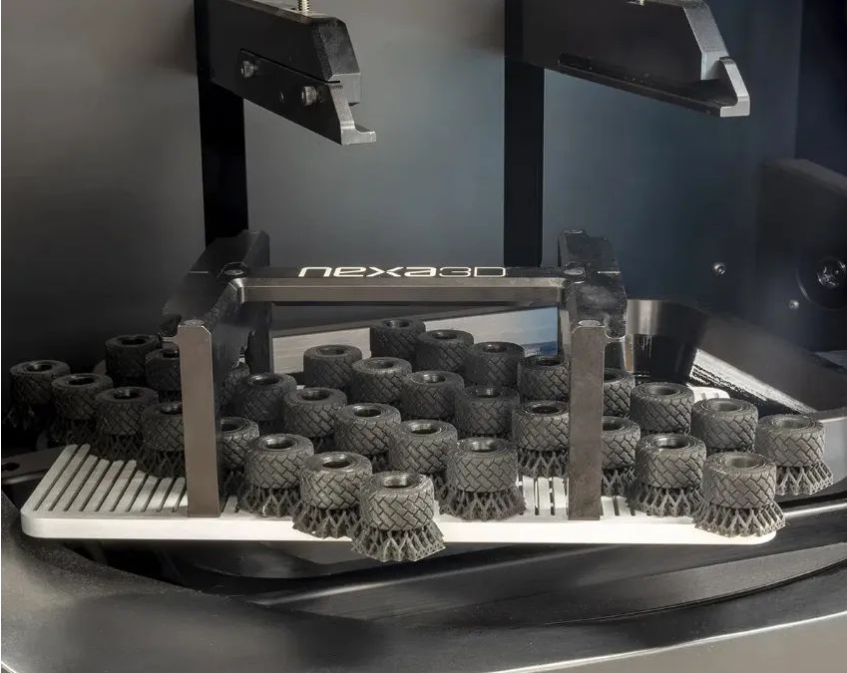
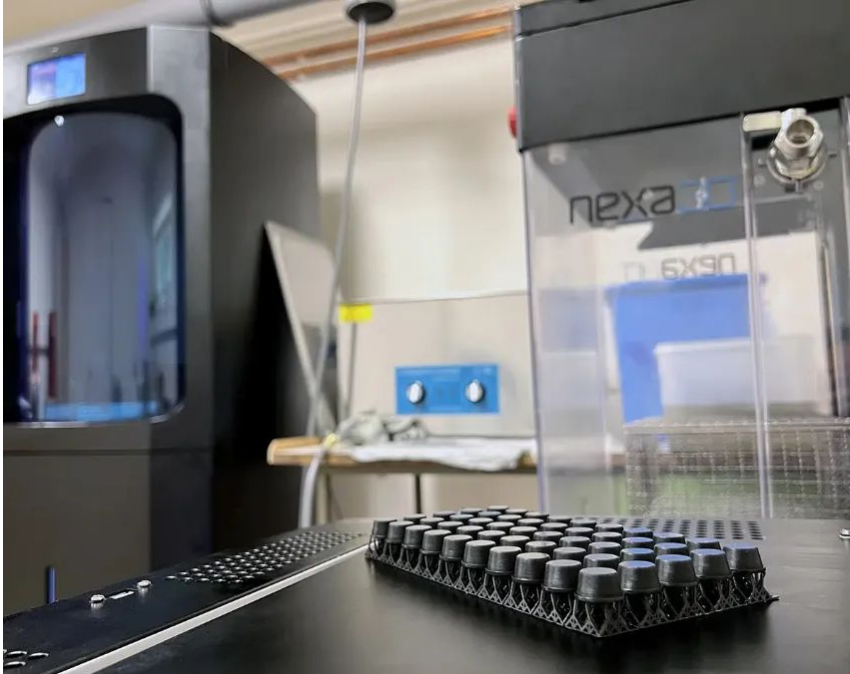
△Production of 108 model car tires in 34 minutes through 3D printing technology
The in-house adoption of 3D printing technology has allowed the company to compete with other foreign companies with the same type of process. On top of that, by investing in 3D printing systems with larger print sizes, the team found that not only did they shorten their lead times, but they were also able to reduce design and production costs while increasing yields and quality. For example, they are now able to produce 108 model car tires in 34 minutes (by stacking 3 layers in a single production run for a total of 36 model tires) using Nexa3D's xFLEX Black resin.